
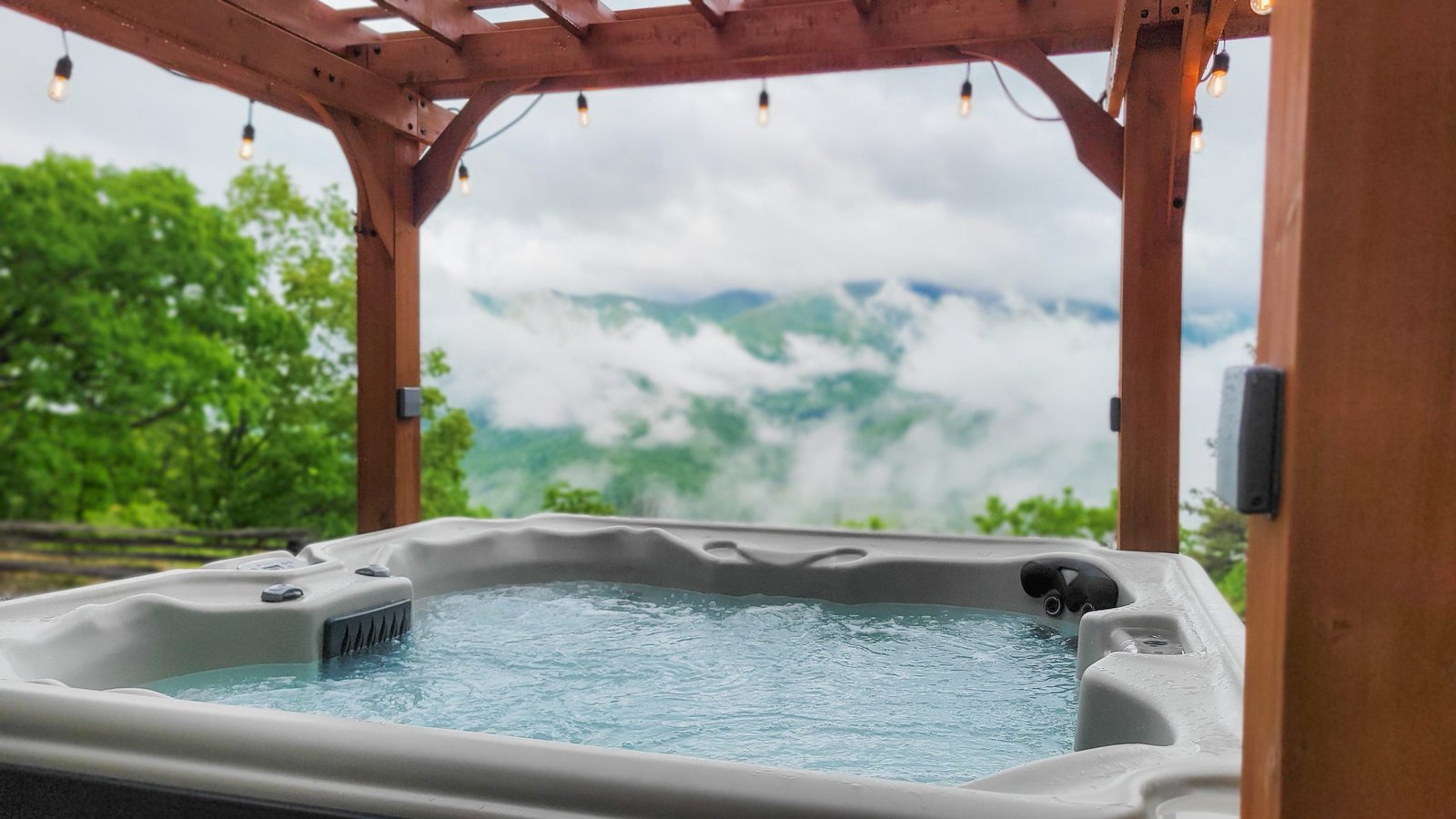
Follow this simple step-by-step guide to find and repair common hot tub leaks—and know when it is time to call the experienced technicians at Spas & More.
Is It Safe to Fix a Hot Tub Leak Yourself?
Many hot tub leaks come from relatively simple issues such as loose unions, worn gaskets, or a cracked hose, and these can often be repaired by a careful homeowner. However, leaks near electrical components, hidden deep in foam, or combined with repeated power shut-downs should be inspected by a professional to protect both safety and your investment.
Spas & More has over three decades of experience helping owners refurbish, modernize, and repair spas, so you always have expert backup if a leak turns out to be more complex than you expected.
Step 1: Stay Safe and Confirm the Leak
Start by protecting yourself and your equipment.
-
Turn off the power.
Shut off the hot tub at the main breaker and any GFCI/RCD device so no power can reach pumps, heaters, or control boards while you inspect.
-
Check that the tub is really leaking.
Mark the current water level with tape or a pencil, wait 12–24 hours without using the spa, and see how far the level drops; steady loss usually confirms a leak rather than simple splashing or evaporation.
-
Note how fast the water drops.
Fast drops and large puddles suggest a significant leak that may require professional help, while slow drops often come from fittings or small cracks that are easier to repair.
If water is pooling near the equipment bay or electrical components, disconnect power and contact a qualified spa technician immediately for a safe assessment.
Step 2: Find the Source of the Leak
Locating the leak is often the hardest part of the job.
-
Inspect the equipment compartment.
With power off, remove the access panel and look around the pump, heater, unions, and valves for obvious drips, wet foam, or staining; these are some of the most common leak points.
-
Use the “water-level test.”
Fill the spa, turn the power off, and let the water drop; when it stabilizes, inspect jets, lights, drains, and fittings at or just above that level, because the leak is often located there.
-
Check unions and connections.
Examine unions on the pump, heater, and plumbing for moisture; they can loosen over time and start to drip even on relatively new spas.
-
Look at jets, gaskets, and hoses.
From inside the tub, inspect around jets and suction fittings, then from the back check for wet foam or staining around jet bodies, hoses, and manifolds.
-
Expose hidden leaks in foam.
On fully foamed spas, you may need to carefully cut away only enough wet foam to reveal the leaking pipe, jet, or fitting, then plan to replace the insulation after the repair.
If you cannot find the leak or it appears to come from deep within the plumbing maze, Spas & More can perform professional leak detection and advise on the most cost-effective repair or refurbishment.
Step 3: Fixing Simple External Leaks
Once you find the source, use the right repair method for that specific part.
Loose Unions and O-Rings
-
Hand-tighten unions.
With power off, gently hand-tighten any loose pump or heater unions; avoid using wrenches, which can crack plastic and create bigger leaks.
-
Inspect and replace O-rings.
Open the union if it still leaks, check the O-ring for flattening, cracks, or debris, clean the sealing surfaces, and install a new O-ring if necessary before re-tightening.
Leaking Hoses, Pipes, and Fittings
-
Cut out damaged sections.
For cracked PVC or flexible hoses, use a tubing cutter or saw to remove the damaged portion, keeping cuts straight and clean.
-
Install couplings or replacement hose.
Fit new pipe or hose of the same size with appropriate couplings or barbed fittings, then secure with solvent cement or clamps as specified for your system.
-
Seal minor cracks where appropriate.
In low-pressure areas, spa-safe epoxies or clip-on pipe repair sleeves can sometimes seal small cracks without full replacement, but pressure-side leaks usually need proper plumbing repairs.
Leaking Jets and Fittings
-
Access the back of the jet.
From the equipment bay, locate the leaking jet body and carefully move or cut away only the foam needed to see the fittings and gasket.
-
Replace gaskets or jet body.
Remove clamps and hoses, undo the retaining nut, replace the worn gasket or complete jet assembly if required, then reinstall and re-clamp the hoses.
-
Re-insulate the area.
After confirming the leak has stopped, refill the cavity with spray foam or suitable insulation before closing the panel.
If any of these steps feel outside your comfort zone, Spas & More can provide reliable leak repair, new components, and full spa refurbishment services.
Step 4: Using Internal Leak Sealers (Small, Hidden Leaks)
When you cannot locate a minor plumbing leak, some owners try liquid leak sealers formulated for spas.
-
Choose a spa-safe sealer.
Select a product specifically designed for hot tub plumbing, and follow the manufacturer’s directions exactly regarding dosage and circulation time.
-
Circulate with power on, jets off.
Most instructions call for running the circulation pump so the sealer flows through the plumbing while avoiding strong jet action that might filter it out too quickly.
-
Monitor water level.
After the treatment, watch the water level for several days; if the leak slows or stops, the sealer may have worked, but it will not fix major structural or pump-seal leaks.
Liquid sealers are a temporary or last-resort option; for long-term reliability, permanent repairs or component replacement by a professional are recommended whenever possible.
Step 5: Refill, Test, and Prevent Future Leaks
After repairs, take time to confirm everything is watertight and to reduce the risk of future leaks.
-
Refill gradually and inspect.
Fill the spa in stages and inspect all repaired areas, joints, and fittings for any sign of moisture before fully closing the cabinet.
-
Restore power and monitor operation.
Turn the power back on, bring the spa up to temperature, and keep checking for drips during the first few heating cycles.
-
Maintain good water balance.
Balanced water chemistry helps protect seals, gaskets, and surfaces from premature wear that can lead to leaks.
-
Schedule periodic professional service.
Regular inspections by a qualified spa service like Spas & More can catch small leaks early and keep pumps, heaters, and plumbing in top condition.
If your hot tub keeps losing water, or you suspect a hidden leak in the structure or complex plumbing, Spas & More is ready to help with professional diagnostics, trusted repairs, and complete spa renovations backed by a strong quality guarantee.
Professional Leak Repair and Renovation by Spas & More
Whether you are dealing with a slow, frustrating drip or a major leak that has soaked the cabinet, Spas & More provides the reliable repair service you can count on.
Our highly skilled technicians specialize in refurbishing tired spas, upgrading components, and solving tough leaks so your relaxation space is safe, efficient, and beautiful again.
Contact Spas & More today to request a leak inspection, discuss repair options, or plan a complete spa, sauna, or hardscaping renovation tailored to your home.